4 device lines
They help assess your health, identify your body's weak points, and build a personalized set of wellness treatments.
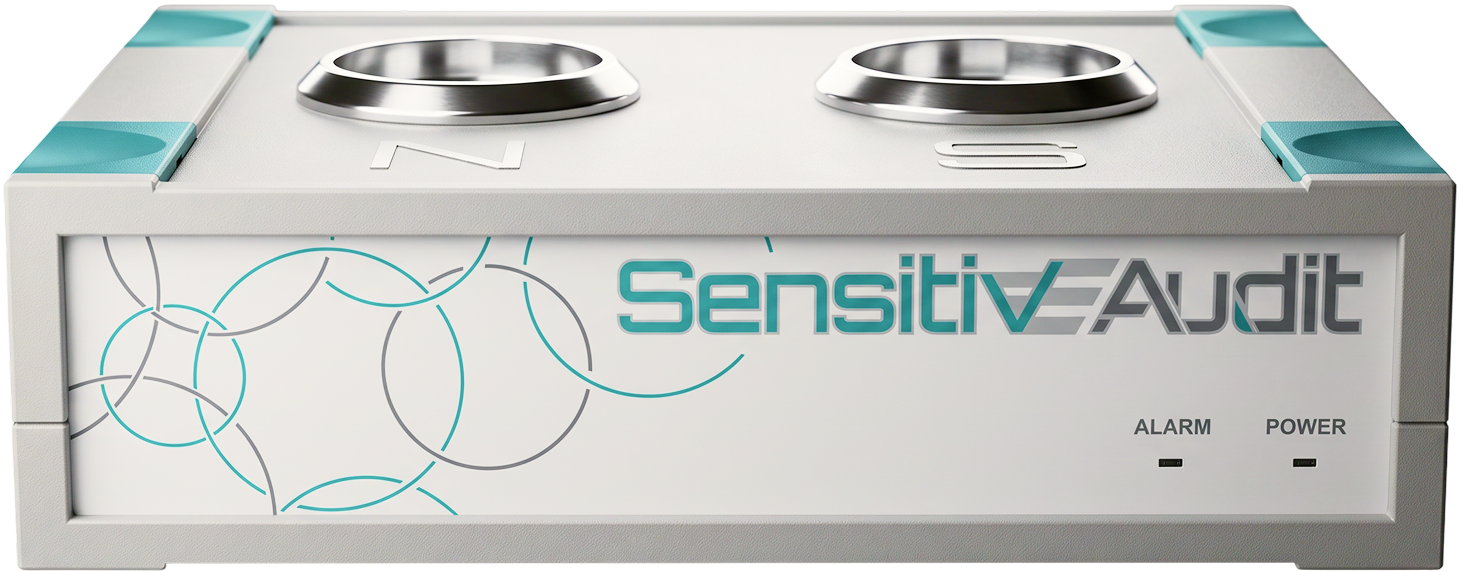
Professional
SensitivE Imago
Learn more
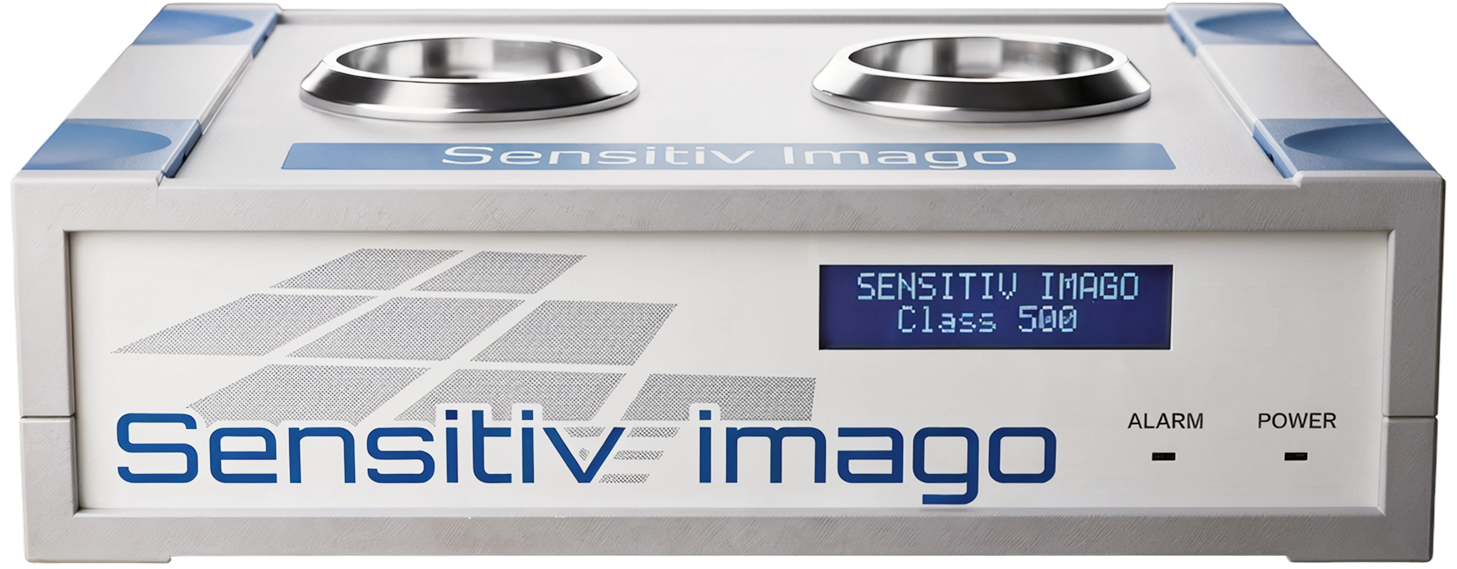
SensitivE Imago
Business
Learn more
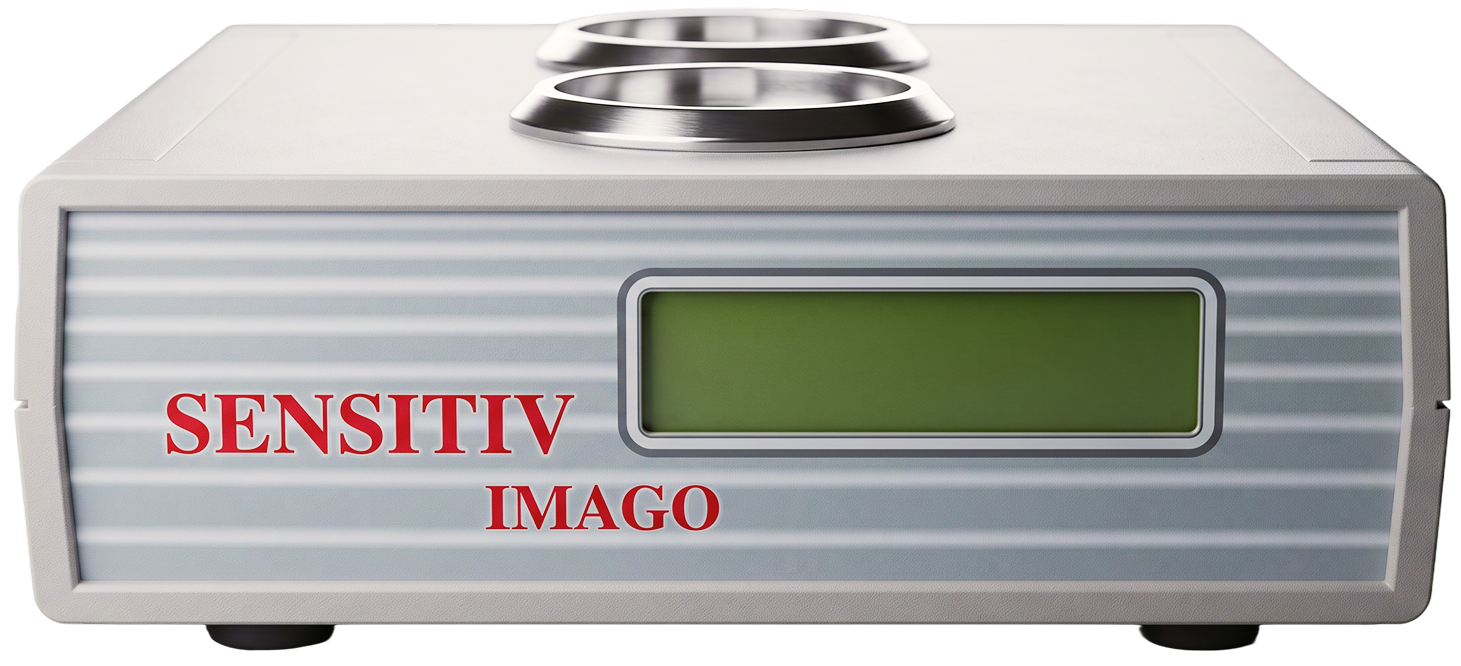
Economy
SensitivE Imago
Learn more
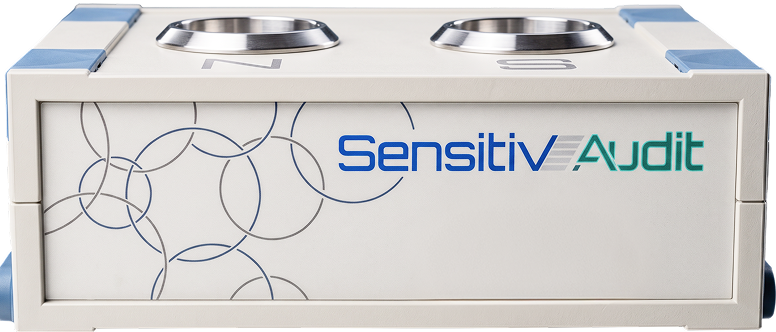
Premium
SensitivE Audit
Learn more
Benefits


Personalized recommendations
get wellness activities matched to your test results.



High accuracy
results are up to 97% accurate.

Full health assessment
track your health over time and see which body systems need attention



Fast and non-invasive
quick diagnostics with no invasive procedures








How the devices work
Step 2
Illness disrupts that "signature." If a microbe or toxin enters the body, or inflammation starts up, the familiar frequency pattern is thrown off and "disrupted" frequencies appear.
Step 3
The device sends a matching signal. The Sensitive device transmits a signal into the body at the same frequency as the suspected "disruption" — a microbe or toxin, for example.
Step 4
If there's a match, there’s a response. Similar frequencies "respond" to each other — like two tuning forks: strike one, and the other starts ringing too. This is called resonance, and it’s exactly what the device picks up.
Step 5
Sensors read the response. Electrodes and sensors on the body register that response and send the data to the device.
Step 6
The LifeStream software shows the result. The program compares the frequencies it receives against a database of known "disruptions" and shows where the problem is — before it would show up in standard tests.
Step 7
It all happens with no needles and nothing inserted into the body — the method is non-invasive, with 97% accuracy.
Step 1
Your body has its own "frequency emission." Every living organism is more than just cells and tissue — it also gives off a faint electromagnetic "emission." Each person has a unique frequency "signature."
Courses and Training
Basic and advanced courses for practitioners: in person or remotely, in a group or one-on-one, with instructors traveling to you anywhere in Russia and abroad.
The program covers full mastery of the Sensitiv imago and SensitivE Audit equipment — on completion, you receive a qualification certificate.


Navigation
Privacy policy
Agreement on the processing of personal data
Products
Premium
Business
Professional
Economy
Contacts
Address: Moscow, Gorbunova Street, 2c3, Grand Setun Plaza

alfa-med

This website uses cookies to improve your experience. By continuing to use the site, you agree to their use.
